

As online gaming continues to grow in popularity, ensuring optimal performance is crucial for platforms like Neospins Provider Page Speed Neospin. One of the most critical aspects of user experience is page speed. In this article, we will explore the importance of page speed for Neospins, best practices for optimization, and the potential impact on conversion rates and SEO.
Understanding Page Speed
Page speed refers to the amount of time it takes for a webpage to load completely. Factors influencing page speed include server response times, file sizes, the number of requests, and the efficiency of the code used to build the site. For an online casino like Neospins, which relies on engaging users with smooth gameplay and rapid access to content, page speed is paramount.
The Importance of Page Speed for Online Casinos
Research indicates that users expect web pages to load in under three seconds. Beyond this threshold, the likelihood of users experiencing frustration and abandoning the site increases significantly. For online gambling platforms, this can translate into lost revenue and lower user retention rates. Moreover, Google considers page speed as a ranking factor, meaning slower sites may not perform as well on search engine results pages (SERPs).
Factors Affecting Page Speed
Several elements can impact the loading speed of a website. Below are some key factors that often affect page performance:
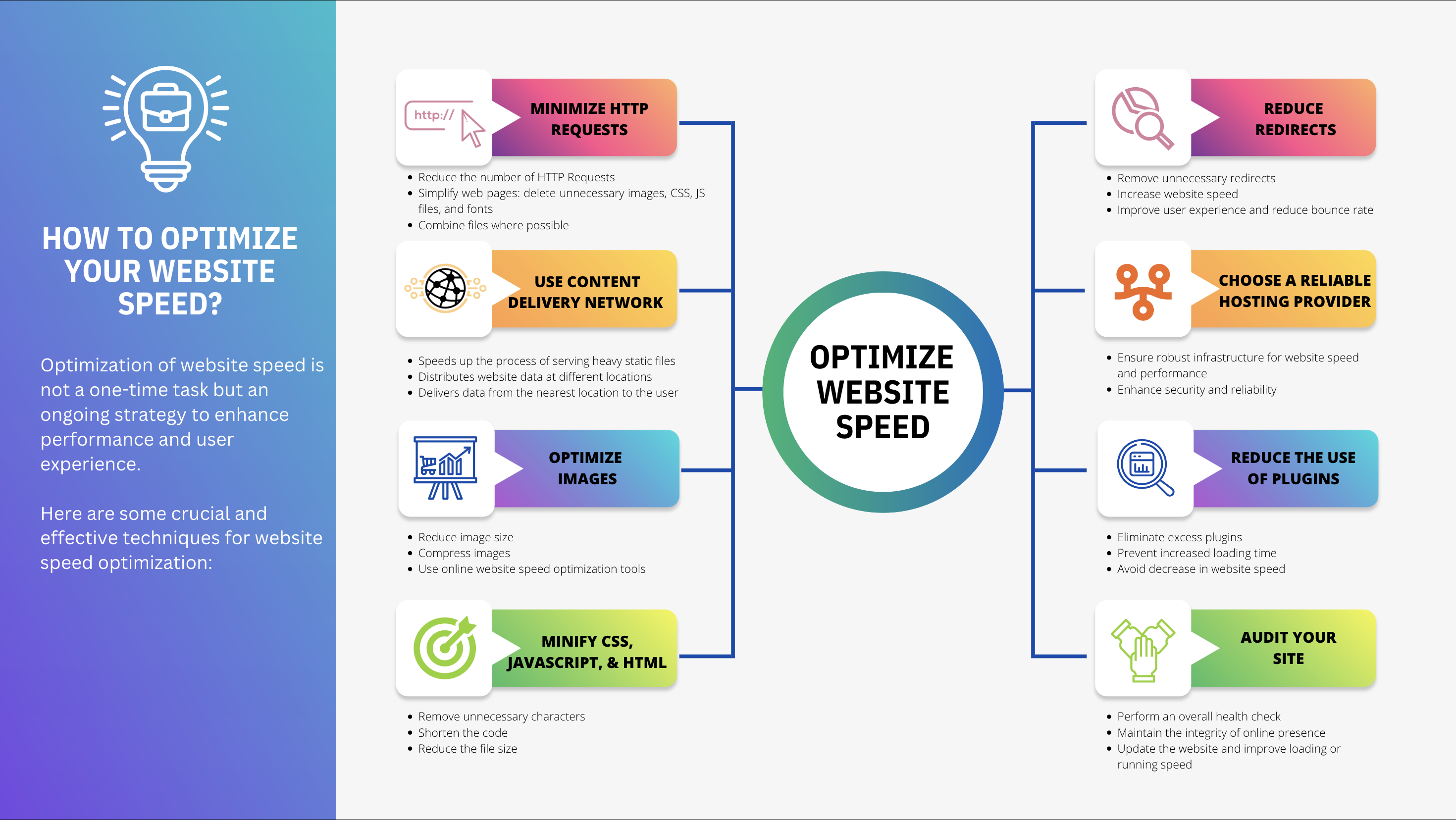
- Hosting Server Speed: The quality of the hosting provider can significantly influence how quickly pages are served to users. Opting for high-quality hosting solutions can help mitigate speed issues.
- Image Optimization: Large image files can slow down loading times. Compressing images without sacrificing quality ensures faster page loads.
- Minifying CSS, JavaScript, and HTML: Removing unnecessary characters and spaces in your code can reduce file sizes and improve loading speeds.
- Content Delivery Network (CDN): Using a CDN helps distribute content closer to users, speeding up load times for distant visitors.
- Browser Caching: Implementing browser caching allows returning visitors to load pages faster by storing some data locally.
Best Practices for Optimizing Page Speed
Improving the page speed of the Neospins provider can be achieved through various best practices:
1. Employ a Content Delivery Network (CDN)
A CDN stores copies of your site across various geographic locations, enabling users to access content from the nearest server, which decreases loading times and improves reliability.
2. Optimize Images and Videos
Images and videos are core elements of engaging content, but they often add significant weight to pages. Using formats like WebP for images and adjusting video compressions can help enhance speed without a noticeable reduction in quality.
3. Implement Lazy Loading
Lazy loading ensures that images and videos load only when they come into the user’s viewport. This reduces initial load time and improves loading performance, especially on content-heavy pages.
4. Utilize Browser Caching
Encouraging browsers to cache website elements allows returning users to enjoy faster load times since much of the content is already stored on their device.
5. Minimize HTTP Requests
Reducing the number of elements on a page can decrease HTTP requests. Combining files (CSS and JavaScript) and eliminating unnecessary plugins can lead to faster page loading.
6. Utilize Gzip Compression
Enabling Gzip compression on your web server reduces file sizes by compressing them before sending them to the user’s browser, resulting in quicker load times.
7. Optimize Server Response Time
Investigating server response times and optimizing resources by upgrading to better hosting solutions or optimizing backend databases can improve overall speed.
Measuring and Monitoring Page Speed
Effective optimization requires monitoring and measuring page speed consistently. Tools like Google PageSpeed Insights, GTmetrix, and Pingdom provide essential insights into how your site’s performance can be improved. Regular monitoring means you can address speed issues quickly as they arise.

The Impact of Page Speed on User Experience
Speed directly influences user experience; a fast-loading site keeps users engaged, increases the likelihood of conversions, and fosters brand loyalty. Specifically, in the online gaming industry, quick access to games and promotions is crucial for customer satisfaction. A slow loading website can drive users away, and in a competitive market, it’s essential to ensure your platform stands out.
Concluding Thoughts
When considering the performance of the Neospins provider, optimizing page speed should be a top priority. Implementing best practices can lead to improved user experience, higher retention rates, and better positions in search engine rankings. As the online casino landscape continues to evolve, understanding and addressing page speed will be vital in delivering seamless and enjoyable experiences for players.
In summary, organizations focused on enhancing their digital presence must prioritize page speed alongside compelling content and graphics. By consistently refining their online platform with speed optimization techniques, businesses like Neospins can ultimately drive growth and enhance user satisfaction.