

Empowering Communities: The Role of NGOs in Vanuatu
The Republic of Vanuatu, an archipelago of 83 islands in the South Pacific, is known for its stunning landscapes, rich culture, and vibrant communities. However, like many developing nations, Vanuatu faces various socio-economic challenges. Here, ngo vanuatu vanuatu nonprofit organization play a vital role in addressing these challenges and enhancing the lives of individuals and communities across the islands.
The Importance of NGOs in Vanuatu
Non-Governmental Organizations (NGOs) are crucial in development, humanitarian aid, and social justice in Vanuatu. These organizations often fill gaps in government services, provide support to marginalized communities, and advocate for the rights of various groups, including women, children, and indigenous populations. The work of NGOs helps to stabilize communities and ensure that development efforts are inclusive and equitable.
Community Development Initiatives
Many NGOs in Vanuatu focus on community development projects that empower local populations. These initiatives often include vocational training, education programs, and the promotion of sustainable agricultural practices. By equipping individuals with skills and knowledge, NGOs help communities build resilience and improve their economic situation.
For instance, organizations like the Vanuatu Agricultural Research and Technical Center provide training to farmers on sustainable practices, helping them boost crop yields and better adapt to climate change. These efforts not only improve food security but also promote environmental sustainability.
Education and Capacity Building
Education is a cornerstone of community development, and many NGOs in Vanuatu prioritize educational initiatives. Organizations work to increase access to quality education, particularly in rural areas where resources are limited. This includes building schools, training teachers, and providing learning materials.
In addition, NGOs often offer adult education programs that focus on literacy and numeracy, further empowering individuals and enabling them to contribute to their communities. By fostering a culture of lifelong learning, these organizations are helping to create informed citizenry capable of advocating for their rights and engaging in civic activities.
Gender Equality and Women’s Empowerment
Gender equality remains a significant issue in Vanuatu, and NGOs are at the forefront of advocating for women’s rights and empowerment. Many organizations work to combat gender-based violence, promote women’s health, and support female entrepreneurship.
For instance, initiatives aimed at providing microloans to women entrepreneurs have proven successful, enabling women to start their own businesses and achieve financial independence. These projects not only uplift individual women but also contribute to the broader economic growth of their communities.
Environmental Conservation Efforts
Vanuatu is home to unique ecosystems and biodiversity, but these natural resources are under threat from climate change, deforestation, and unsustainable practices. NGOs play a vital role in environmental conservation, raising awareness and implementing projects that protect the environment.
Organizations often engage local communities in conservation efforts, teaching sustainable land use practices and promoting conservation of marine resources. Collaborative projects that involve locals in decision-making processes associated with land and resource management have proven highly effective in fostering stewardship and sustainable practices.
Disaster Preparedness and Response
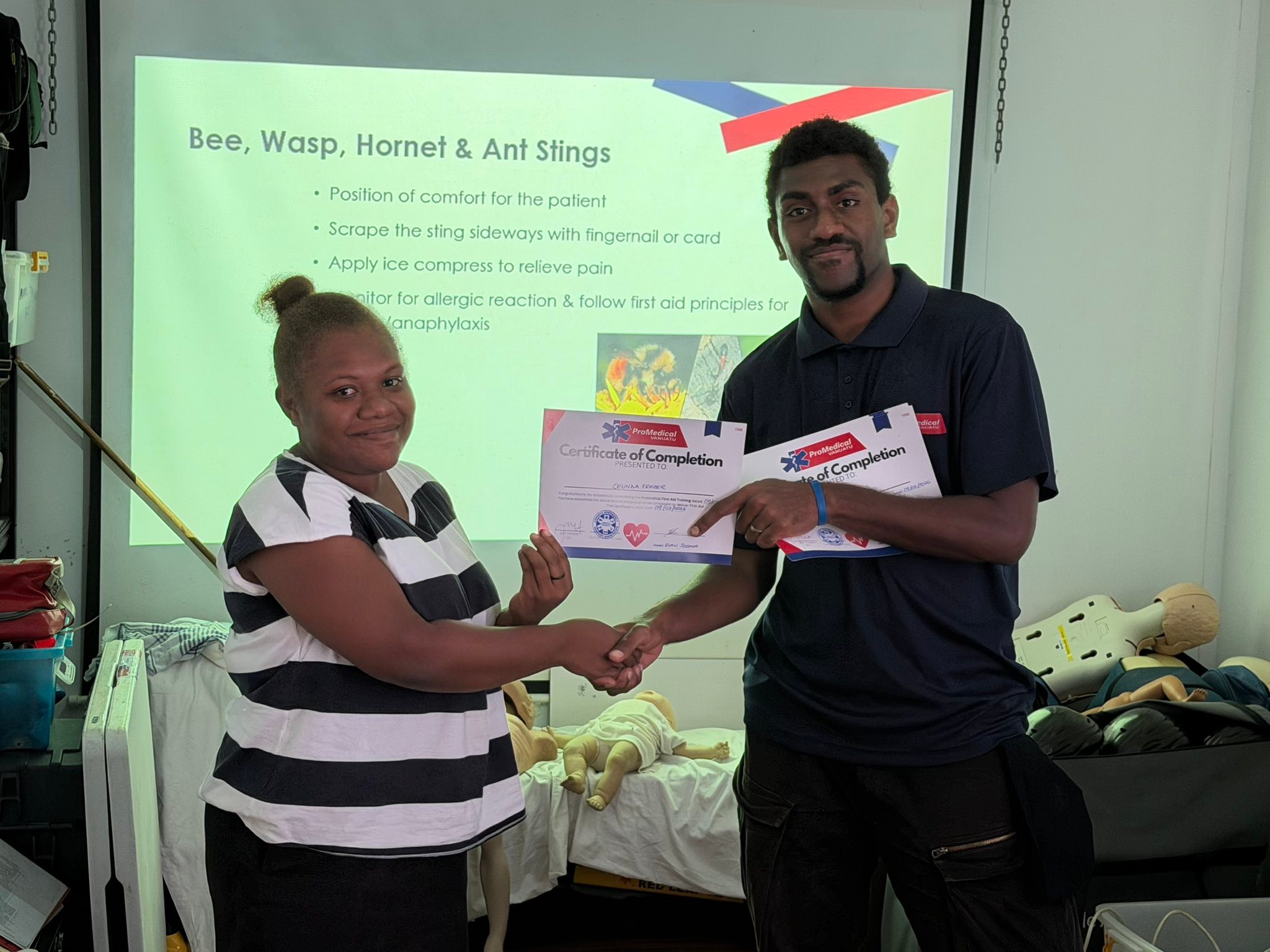
Given its geographical location, Vanuatu is highly vulnerable to natural disasters such as cyclones, earthquakes, and volcanic eruptions. NGOs have been instrumental in disaster preparedness and response efforts. They work to develop early warning systems, provide training in emergency responses, and mobilize resources during disasters.
In collaboration with the government and international humanitarian agencies, NGOs help build community resilience against disasters by improving infrastructure and promoting information sharing to ensure that communities are well-prepared when disaster strikes.
Challenges Faced by NGOs
Despite their significant contributions, NGOs in Vanuatu face several challenges. Funding is a persistent issue, as many organizations rely on grants and donations to support their initiatives. Limited resources can hinder the scalability of their projects and impacts. Additionally, bureaucratic hurdles and a lack of coordination among organizations can lead to inefficiencies and duplication of efforts.
Moreover, the remoteness of many islands makes it challenging for NGOs to reach communities in need, limiting their ability to implement programs effectively. To overcome these challenges, NGOs must collaborate closely with government stakeholders, international partners, and the communities they serve to maximize their impact.
The Future of NGOs in Vanuatu
The future of NGOs in Vanuatu holds promise as more organizations recognize the importance of partnership and collaboration. By working together, NGOs can pool resources, share knowledge, and collaborate on projects to achieve greater collective impact.
Furthermore, the growing awareness of social and environmental issues presents an opportunity for NGOs to advocate effectively for policy changes and engage in meaningful dialogues with government authorities and business communities.
Conclusion
In conclusion, NGOs play an indispensable role in shaping the future of Vanuatu, promoting community development, advocating for social justice, and protecting the environment. Their work not only addresses immediate needs but also fosters long-term sustainable development that benefits all segments of society. By supporting NGOs and recognizing their contributions, we can help build a brighter future for the people of Vanuatu.